Mount Kilimanjaro

mount kilimanjaro is the name of the tallest mount 2024 10 18 13 24 55 utc 1 1 scaled
Travel with us

Climbing Mount Kilimanjaro

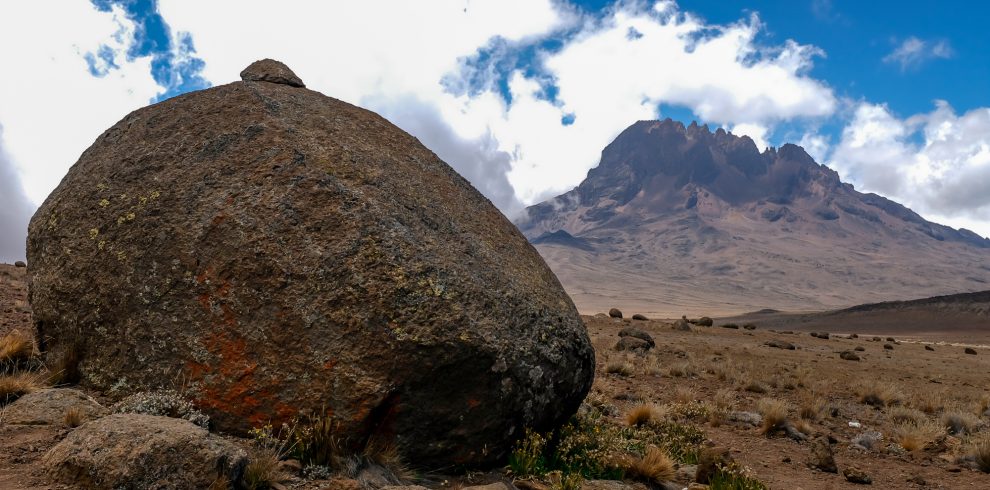
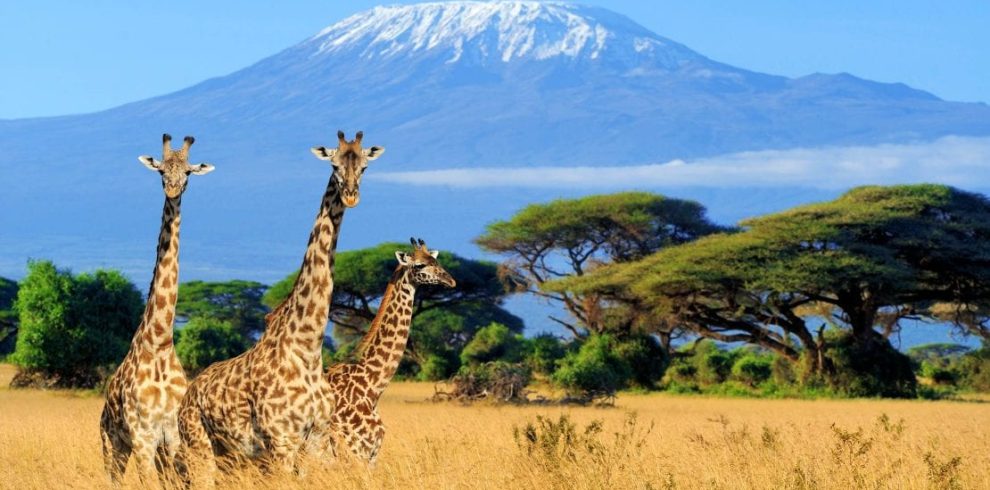
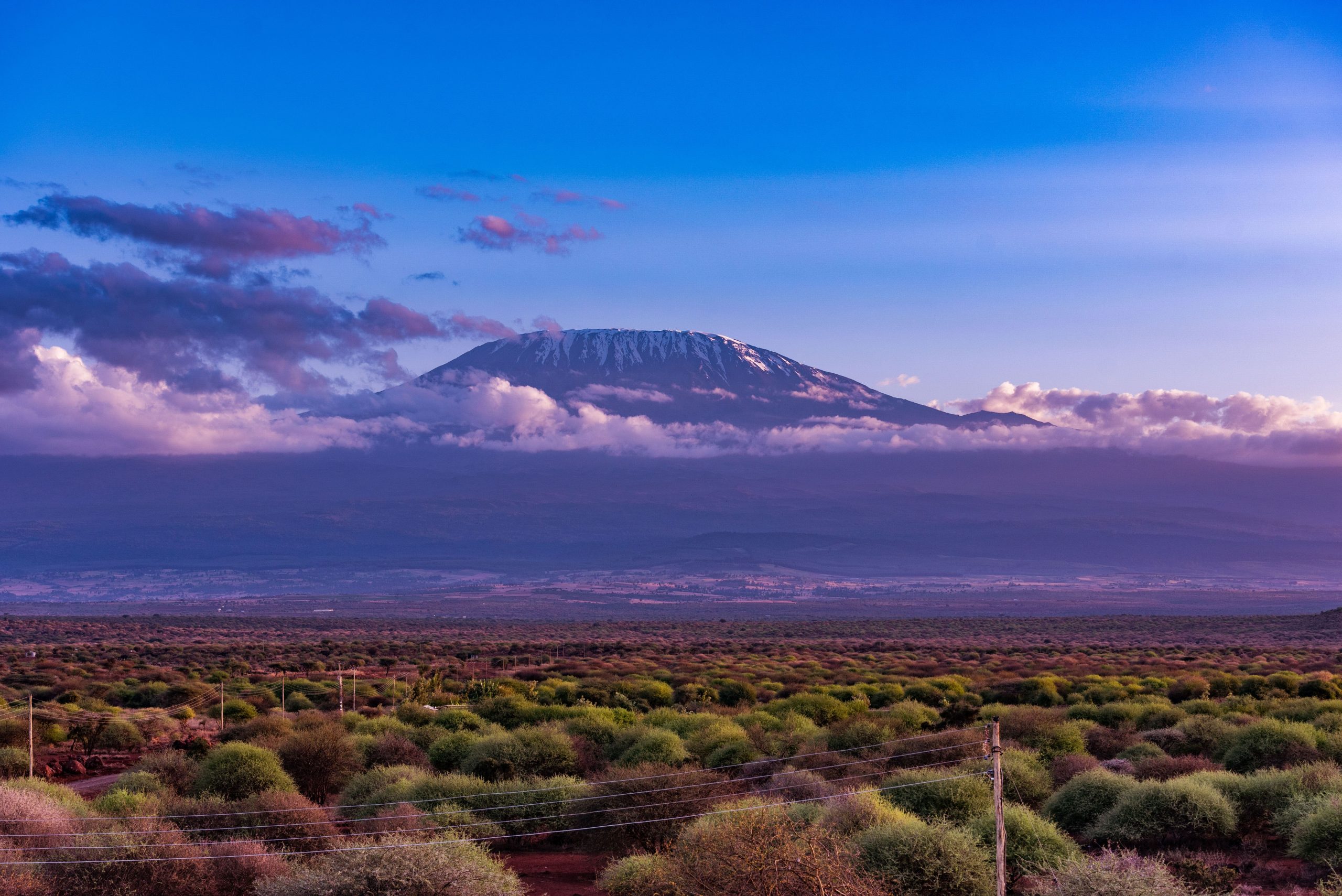
Mount Kilimanjaro is a free standing, snow capped dormant volcano and the highest mountain in Africa. Located in northern Tanzania, it rises above the surrounding plains and can be seen from parts of Kenya, including Amboseli National Park. Its scale and presence make it one of the most recognized natural landmarks in the world.

Each year, around 75,000 climbers attempt to reach the summit. While it is not the most technical climb, it demands strong endurance. Altitude sickness remains the main challenge and the leading reason many trekkers do not reach the top. The routes can feel busy at times, but the experience remains rewarding for anyone interested in mountaineering.

Mount Kilimanjaro sits close to some of Africa’s top safari destinations. Combining your climb with a visit to Serengeti, Ngorongoro, or Tarangire adds more value to your trip and gives you a complete Tanzania experience.

Many operators offer Kilimanjaro climbs. Korongo Expeditions works with a select few trusted partners chosen for their strong safety record, experienced guides, and fair pricing. Climbing Kilimanjaro carries real risks, so choosing the right team is essential.

Shape Image
Shape Image
Shape Image

A Guide To Climbing Kilimanjaro

How high is Kilimanjaro?
Mount Kilimanjaro stands at 5,895 meters or 19,340 feet above sea level, making it the highest free standing mountain in the world. It is widely known as the Roof of Africa due to its dominance over the surrounding landscape. Its sheer size often makes it difficult to see clearly from nearby ground level.

Where is Kilimanjaro?
Mount Kilimanjaro is located in northern Tanzania, near the border with Kenya, east of Arusha. Clear views are not always guaranteed from within Tanzania due to cloud cover. For one of the best views, Amboseli National Park in Kenya offers a strong vantage point. The mountain is also visible from flights between Nairobi and Kilimanjaro when conditions are clear. Access to the mountain for climbing is straightforward once you are in Tanzania.

Climbing Mount Kilimanjaro Cost
There are two main options when planning your climb with Korongo Expedition. You can join a fixed departure group or choose a private climb. Group climbs usually start from around $2,500 per person. Private climbs depend on group size and route selection. For groups of more than two people, private climbs can offer better value. Korongo Expedition works with trusted partners with a strong safety record and long term experience, ensuring you receive reliable service and proper care throughout your climb.

The Best Time to Climb Kilimanjaro
The rainy season runs from March to the end of May and is not ideal for trekking. The rest of the year offers good conditions. The most popular period is from July to October, when weather conditions are more stable and visibility is often clear. Clear skies increase your chances of enjoying strong summit views.

How long does it take to climb Kilimanjaro
The duration depends on the route you choose. The shortest climbs take about 4 nights, but most climbers take between 6 to 8 nights. Longer routes allow better acclimatization and improve your chances of reaching the summit.

Fitness Required
Climbing Kilimanjaro does not require technical mountaineering skills, but it demands good physical fitness, stamina, and mental strength. Altitude can affect anyone, regardless of fitness level. Proper preparation is important. Many climbers consult a doctor and complete a fitness check before the climb.

Climbing Kilimanjaro Routes

Lemosho Route
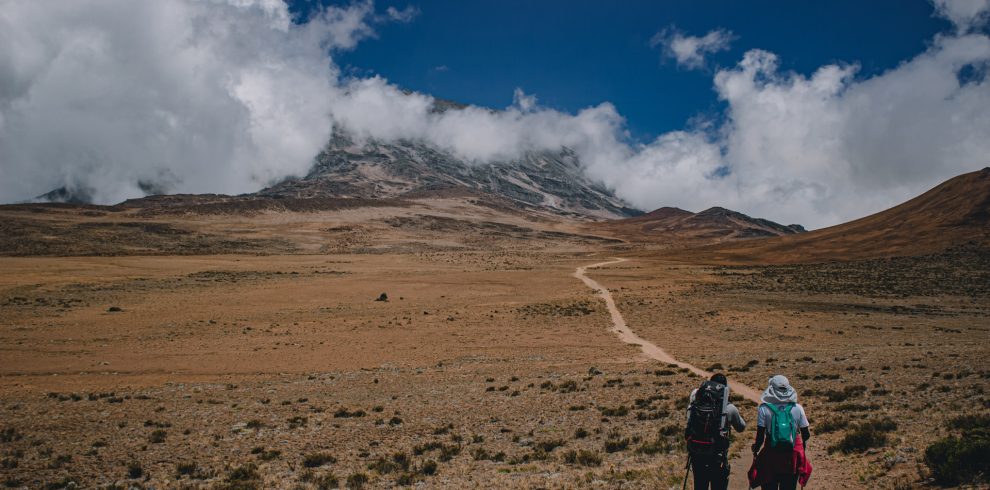
This route offers a well paced climb over 8 days, giving your body more time to adjust to altitude. It passes through forests and open landscapes with varied scenery. Summit success rates are high, around 88 percent to Uhuru Peak.

Machame Route
This is the most popular route on the mountain. It offers strong views and a good challenge, but it can feel crowded during peak seasons.

Northern Circuit
This is the longest route, usually completed in 9 days. It provides the highest success rates due to gradual acclimatization. It is ideal if you want fewer crowds and a quieter experience.

Rongai Route
This route approaches from the northern side of the mountain. It is known for its scenery and steady ascent. It can be completed in 6 or 7 days, with better summit success when an extra day is added.

Shira Route
This 8 day route crosses the Shira Plateau and offers remote and less crowded scenery. It approaches the summit from the western side and provides a quieter trekking experience with strong success rates.

Shape Image
Shape Image
Shape Image